Welcome to:

School of Tao

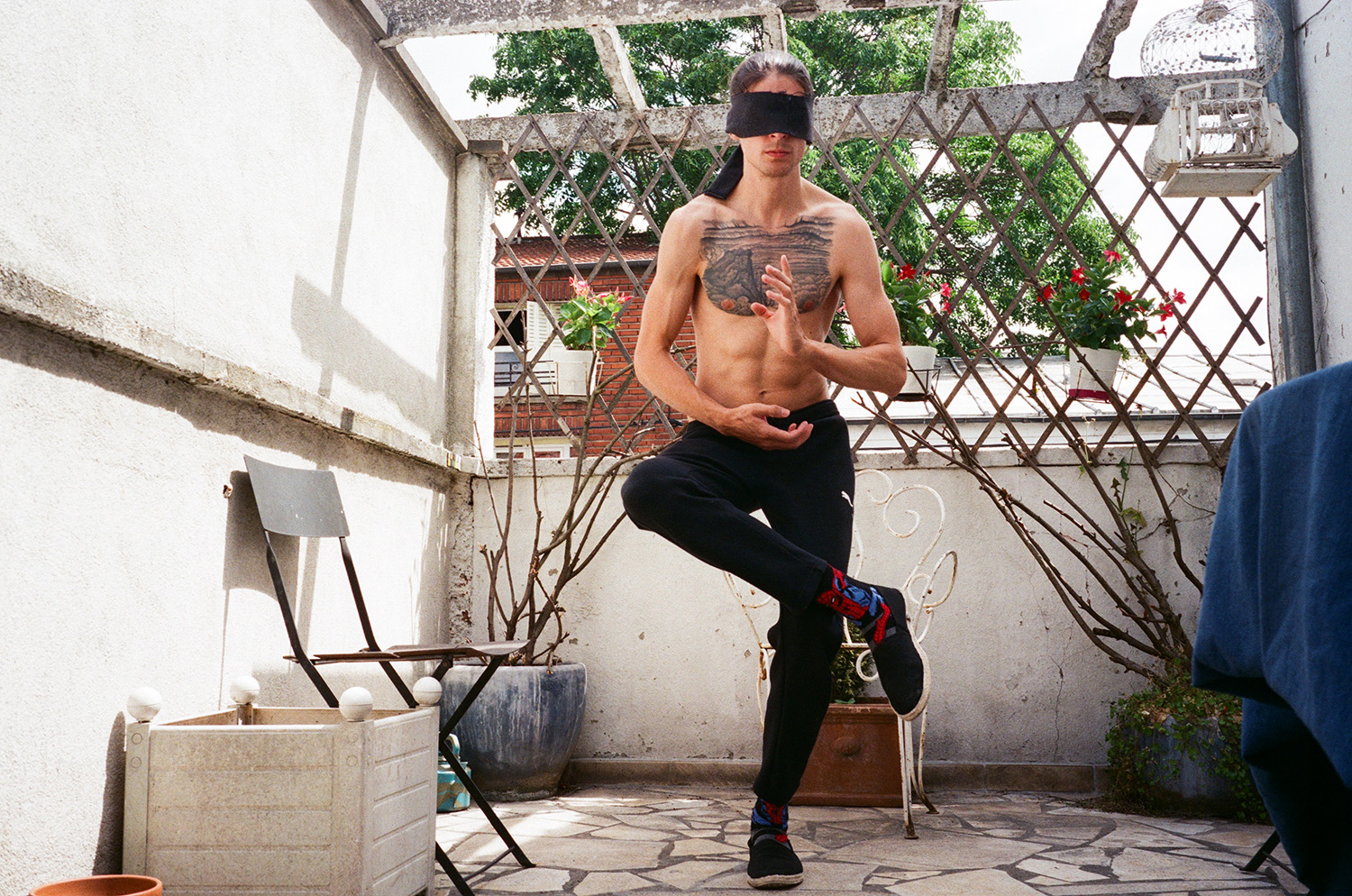
Movement & Meditation

Kung fu & Tai chi

Self defense & Fitness

Sport & Science

Your training program

Step 1.

Meet and talk.

Create a personal program.
What do you want ?

  • • Get healthy, feel fit, build muscles
  • • Learn real Kung fu and meditation techniques

Only few students can learn real Kung fu.

Step 2.

Develop discipline (martial) and creativity (art).

Time to train. Achieve your goals with strict training programs, based on creative Kung fu movements and ideas.

  • • Feel more 'alive' through discipline, and inventive through art
  • • Build a disciplined mentality
  • • "Get things done" in an organized but adaptable way

Step 3.

Repair injuries with perfect form.

So you can regain confidence and flexibility, move well and slowly remove pain.

Step 4.

Eat well and have good nutrition.

So you feel more energetic, clear-headed and focused.
This is your own inner chemistry.

Step 5 - Advanced.

Learn Taoism and the philosophy of Yin Yang.

Find the mechanisms of Nature, so you learn how to live better.

Rules

1. Promoting training in:

  • - Nature, a parc or forest, first
  • - A city landscape, second
  • - A gym, third

2. Training under all weather:

Warm, cold, wind, rain or snow.
Range -5°C to +40°C.

3. Meeting for training is always possible:

Outside, at home, remote.
No excuses.

You can have results, or excuses.

Not both.

Prices

1h lesson 30€
3 lessons 80€
5 lessons 120€

Group discount: 50% of base price, for each extra friend.

  • • 2 people: 30 + 15 = 45€/h
  • • 3 people: 30 + 15 + 15 = 60€/h
  • • 4 people: 30 + 15 + 15 + 15 = 75€/h
  • • 5 people: 30 + 15 + 15 + 15 + 15 = 90€/h

Adaptable price for large groups or long term plans.

Contact me or ask a question:

rubenhartpro@gmail.com

Teacher

Ruben Arth

20+ years of Kung fu studies

My training program:

  1. 1. Kung fu & self defense
  2. 2. Cardio & conditioning
  3. 3. Legs strength training
  4. 4. Upper body strength, calisthenics
  5. 5. Tai chi, qi gong & meditation

Training Timeline:

2019-present:

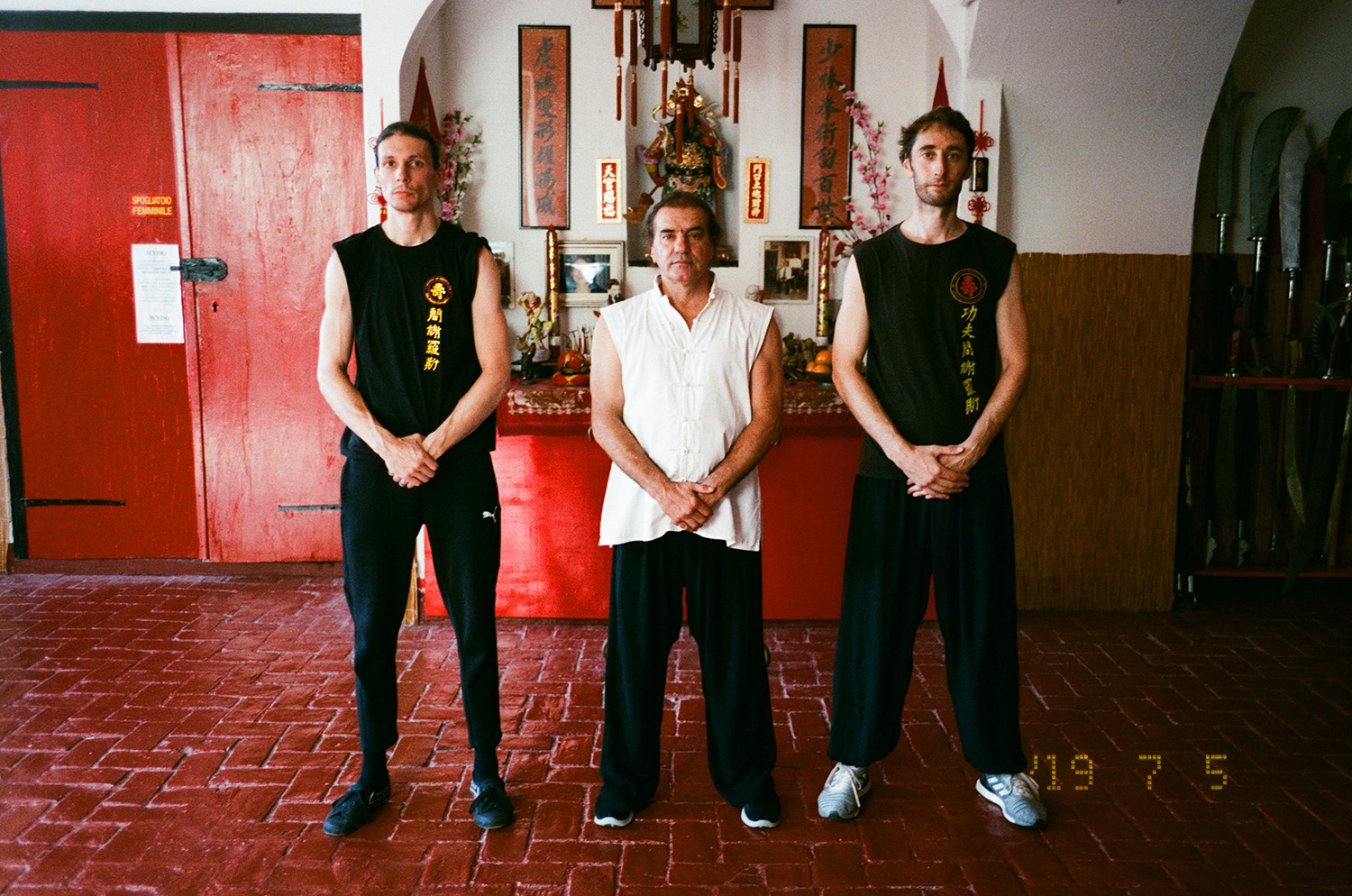
Student of Grand Master:

Sifu Paolo Cangelosi

2011-2019:

Personal training and studies.

2004-2011:

Student of:

Dr Eric Bourbonnais

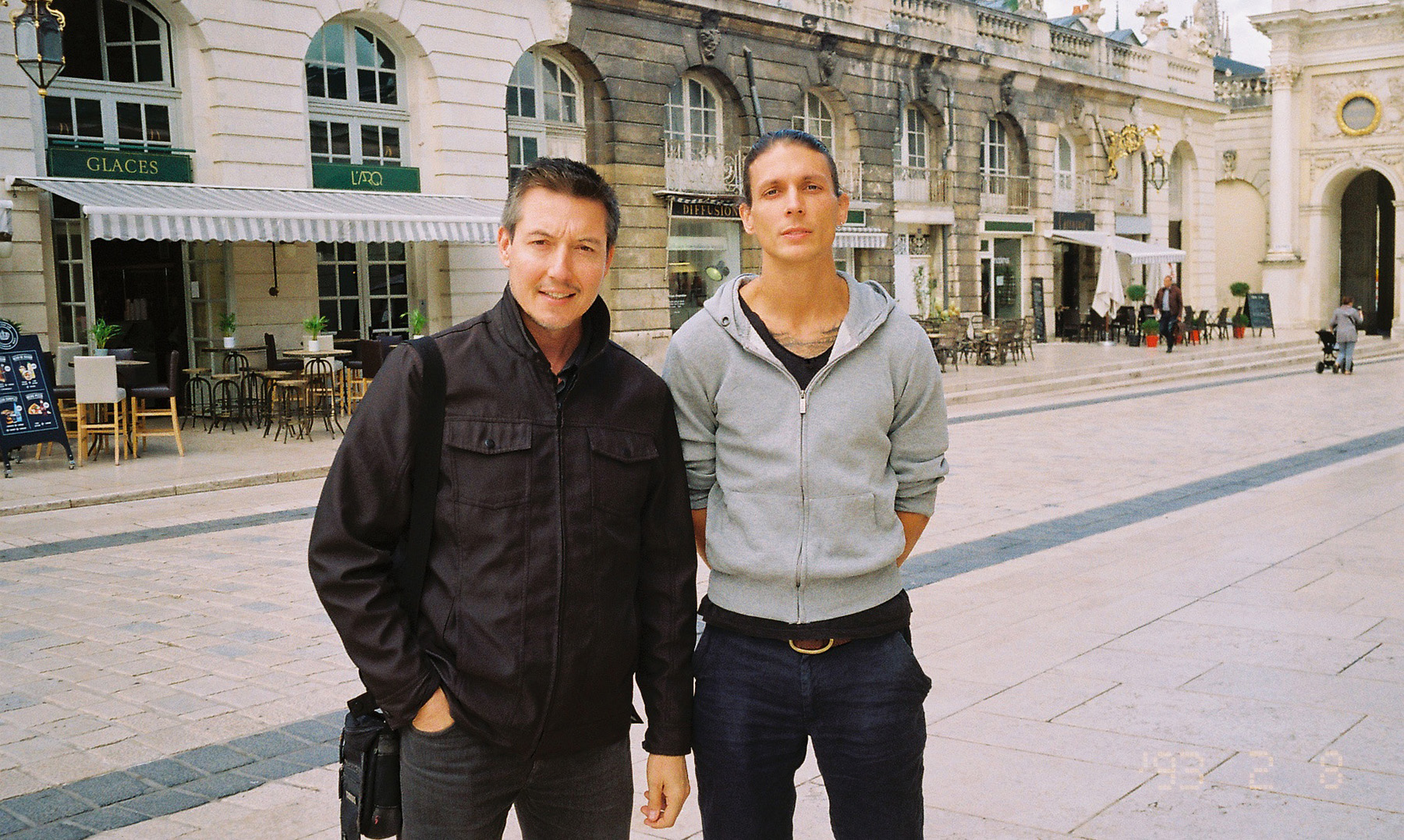
Trained by Sifu Paolo Cangelosi

Forms:

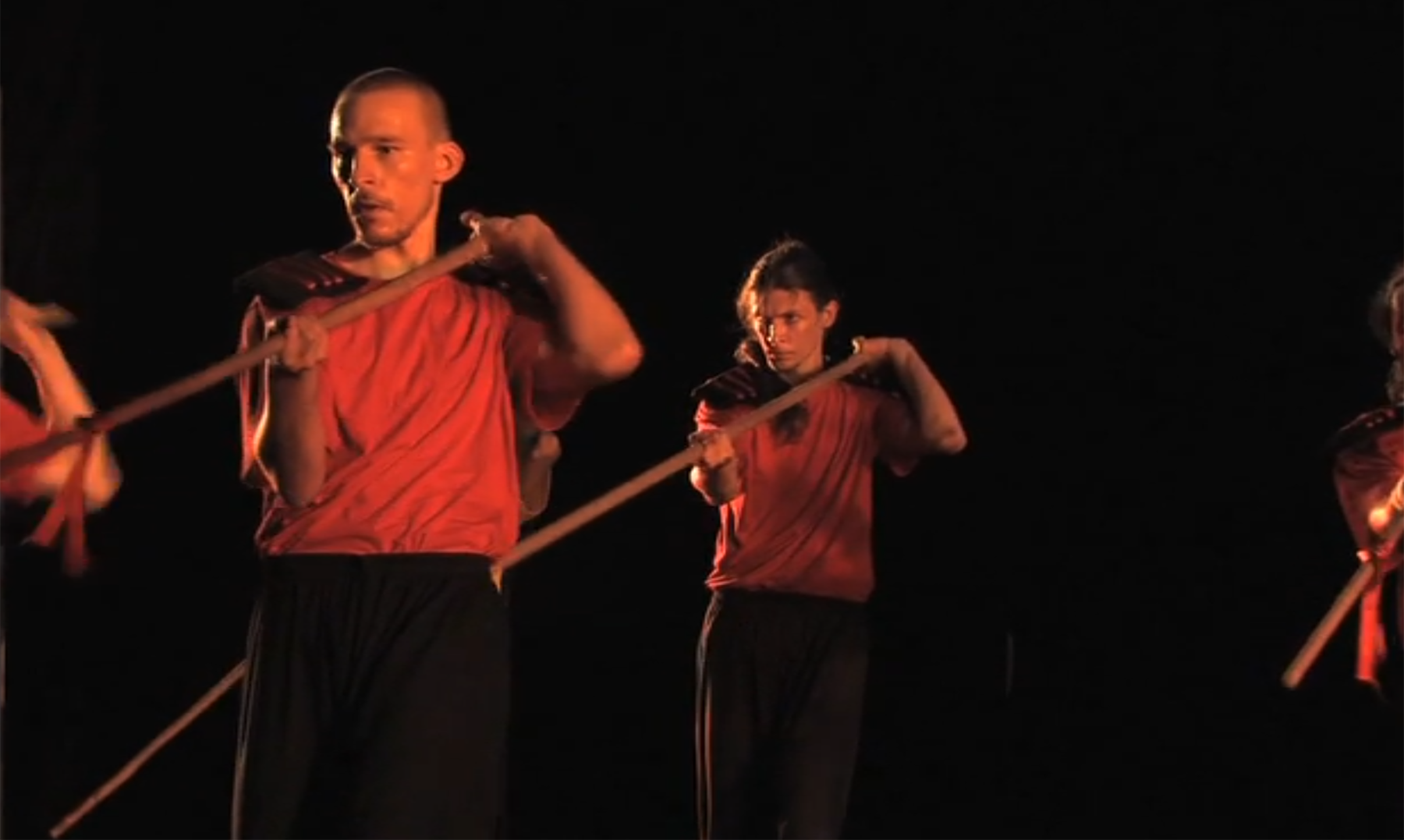
In Kung fu, we practice multiple Tao (Forms)(called Kata in Japanese and Taolu in Mandarin). These are sequences of movements collected by past masters, gathering techniques into structured forms - like a living dictionary of combat techniques.

Hung Gar - 5 Main Forms:

Inspired by animals: tiger, crane, leopard, snake, and dragon

  • 1. Muy fa kune (plum blossom fist)
  • 2. Lau Gar kune (family Lau's fist)
  • 3. Gung gee fook fu kune (taming the tiger fist)
  • 4. Wu dip jeon (butterfly palms)
  • 5. Fu hok seong hing kune (tiger & crane double system fist)

Tai Chi:

  • Yang 108 (108 movements by master Yang)

Praying Mantis:

  • 1. Ba Wong (Secret Door)
  • 2. Pung Po Kune (Expanding Wave fist)
    (Style : Chat Sing Tong Long Kuen)(7 star northern praying mantis fist)

Wing Chun:

  • 1. Siu lim tao (little idea/minimize your thoughts)
  • 2. Chum kiu (seeking the bridge)

Weapons:

  • 1. Muy Fa Dan Tao (Plum Blossom Single Broadsword)
  • 2. Sap Dou Naam Fu (Ten Blades of the Southern Tigers)
  • 3. Kwan Sing (Stick Stars)
  • 4. Ng Ying Gwan (5 form staff)
  • 5. Form 32 (tai chi sword)

History:

Our Kung fu style: Hung Gar, or Hung Ga Kune (Family Hung's fist), was developed in the 1700's in the Qing Dynasty, after the Manchus invaded China during the Ming Dynasty. The Ming loyalists created southern styles of Kung fu, based on the Shaolin temple techniques, to fight against the Manchu rulers. They were hiding in the mountains of southern China, and created new styles like Hung Gar, Choy Li Fut, Wing Chun, and others.

Grandmaster Sifu Paolo Cangelosi was a student of Grandmaster Chan Hon-chung, and learned from him in Hong Kong during the 1980's.

-

Tai Chi and Baguazhang trace their origins to the Wudang Mountains, traditionally associated with the legendary Taoist master Zhang Sanfeng. He left Shaolin and went to build his own style on another mountain. There he was inspired by a fight between a crane and a snake.

These arts were originally practiced as fast and effective combat systems, and became hidden combat techniques with slow practice. Each technique is named in a poetic way to hide its real martial application.
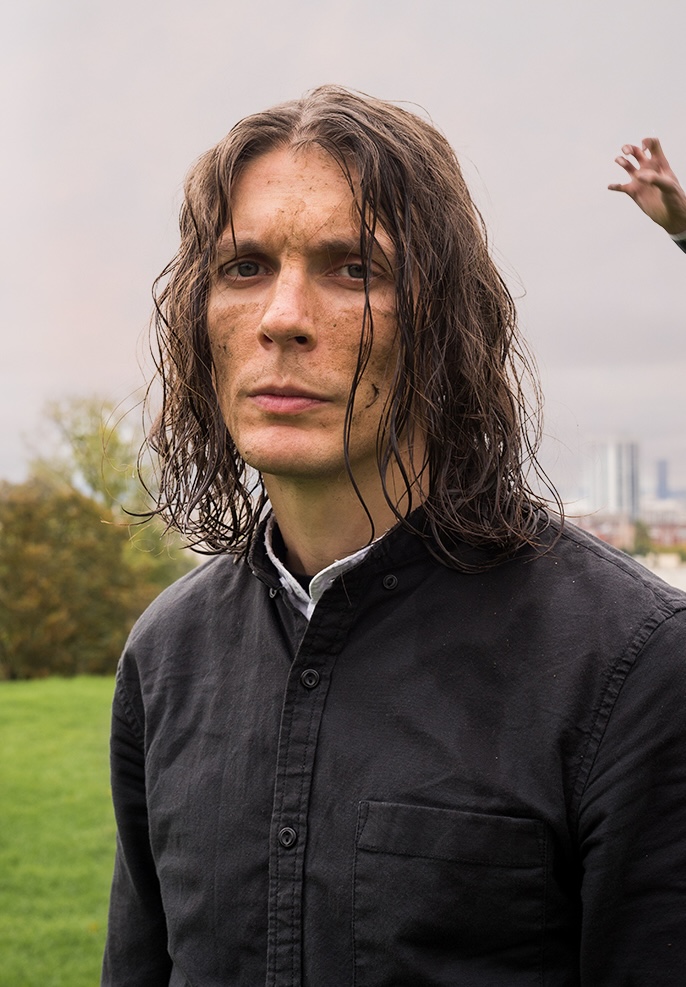
Ruben Arth

Training Videos

Kung fu & Self defense:

Cardio:

Cold training:

Upper Body strength:

Legs training:

Tai Chi & Meditation:

Drunken Monkey 0.5:

(For fun)
Tao Te Ching

The Book of Taoism

This is the Tao Te Ching. The book of the philosophy called: 'Taoism'. Based on the concept of: 'Yin Yang'.

I updated it to be more neutral. Based on the best translation, by Stephen Mitchell. I chose the pronoun: 's/he', which is 'she & he', for both feminine-Yin & masculine-Yang approach. Because Yin Yang means we all have both sides.

I keep working on it as I study the Tao myself, through martial arts and science.

Taoism is a philosophy, a way of life.

The only rule is: Find your own way, through personal practice.

No amount of money can make you understand life faster. It takes time & effort.

'Tao' means: 'The way'

Of life, nature, humans & the Cosmos. It can also be interpreted as 'direction', or 'path'. In Martial Arts, when we do a form, we call it: a tao. Tao is also the word given to explain what created our universe.

Taoism is born just before Buddhism, around the 5th century BCE. All of Taoism is contained in this simple book, written by Lao Tzu, which means 'Old Master'.

81 verses to understand life, Yin Yang & the origin of the universe. The Tao Te Ching is one of the most translated books in the world.

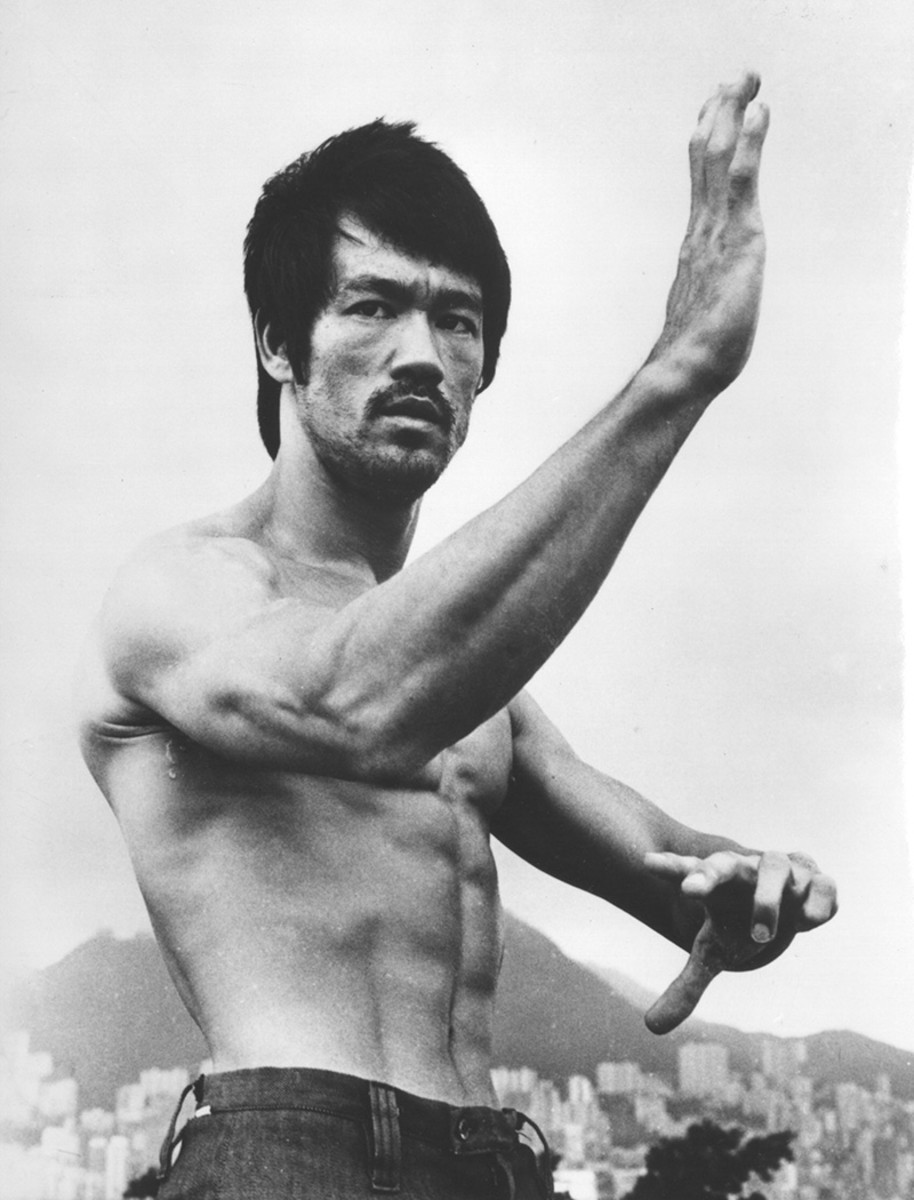
Masters, teachers, friends & inspirations

About

a Kung-fu teacher & student.

Check bio
Ruben Arthuys

Connect